
We’re Cutting Your Food Stamps: The Trump Administration’s Assault on SNAP

John Henry Frankel, Communications Lead, Impact Fund
In the summer of 2025, Congress passed the largest cuts to SNAP in the program's history. Then, during the October 2025 government shutdown, the administration refused to use reserve funds to ensure even these basic minimums were met. The message was unmistakable: for this administration, feeding families is optional.
A federal judge ultimately ordered USDA to fully fund SNAP, and benefits resumed. But the episode exposed something deeper and more troubling.
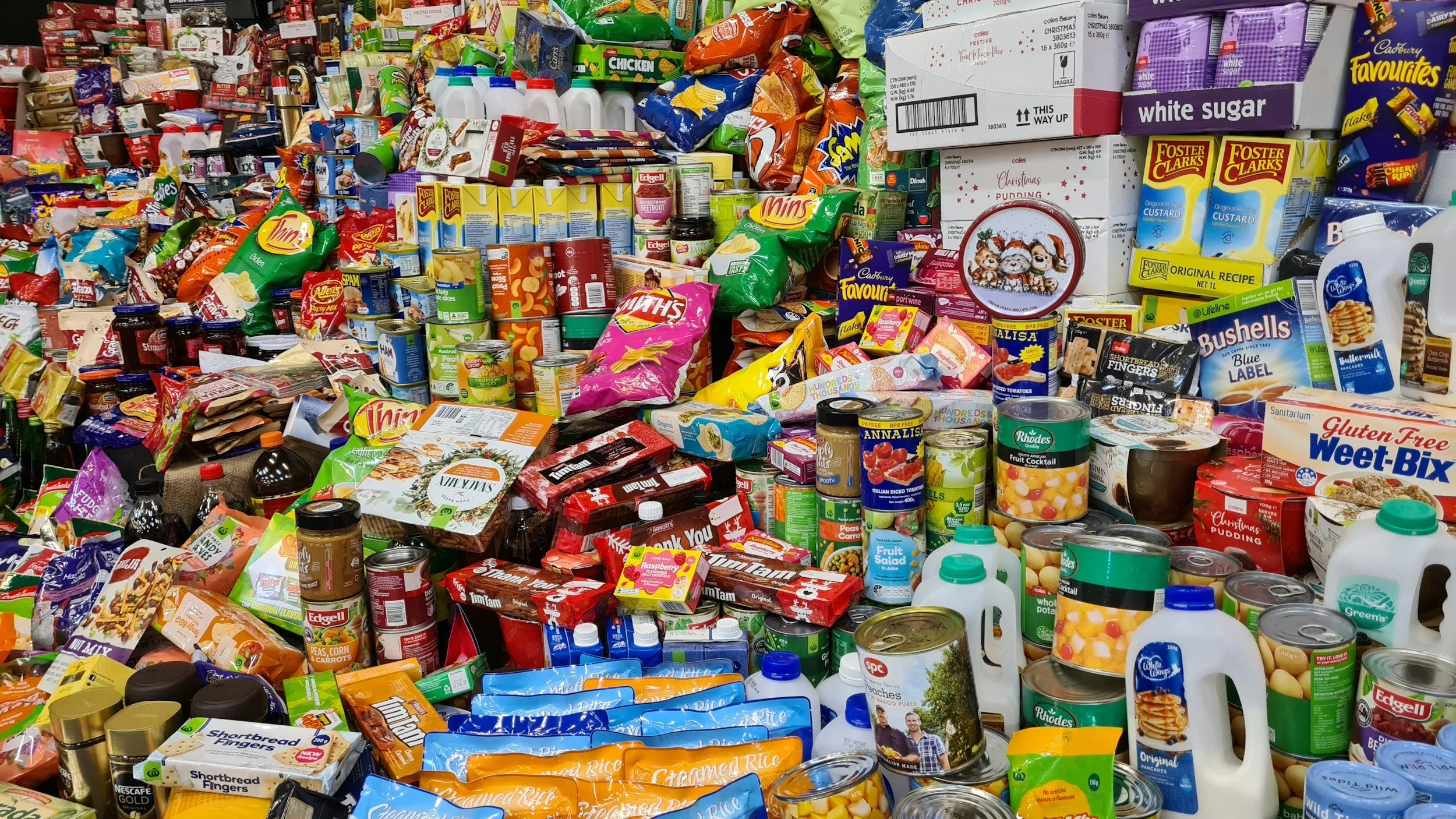
SNAP feeds 1 in 8 Americans - 42 million people.
When USDA suspended and delayed Supplemental Nutrition Assistance Program (SNAP) benefits during the October and November 2025 federal shutdown, 42 million people — 1 in 8 Americans — were suddenly at risk of going hungry. For families living paycheck to paycheck, older adults on fixed incomes, and people with disabilities, even a short disruption meant impossible choices between food, housing, medicine, and utilities.
That is why the Impact Fund and the Western Center on Law & Poverty filed a nationwide class action lawsuit on behalf of SNAP recipients. Congress established SNAP by law. Under the Constitution, only Congress can change it. A government shutdown does not erase that legal requirement, and hungry families should not be collateral damage in political standoffs.
The lawsuit sought to ensure that SNAP funding continued in full, without delay. Shortly after, in a case brought by multiple states, Massachusetts v. USDA, a federal judge ordered the administration to restore funding nationwide. Benefits resumed. With the immediate harm resolved, our case ended. The crisis that brought us to court had been stopped.
But the shutdown was not an isolated crisis.
These changes would require states to pay a share of benefit costs the federal government has always covered. In California, that shift could cost the state billions annually. For the 5.3 million Californians who rely on SNAP - CalFresh in California - there could be real consequences if the state cannot shoulder the new costs and cuts benefits. Plaintiff Cynthia de la Mora describes the uncertainty plainly:
“I’m already cutting back on other expenses and making hard choices like limiting my own meals, not buying milk, and not paying our electric bill. You have to feed your kids, so I might not be able to pay my rent or car payment. I could lose my car and not have a way to get around. My family could risk being evicted and becoming homeless.”
For Cynthia and millions of others, SNAP is often the only direct assistance they receive. When that stability wavers, everything from children’s health to parents’ ability to work to housing security to mental well-being are put at risk.
The funding changes are also coming at the same time as strict work requirements are projected to push an estimated 2.5 million people off the program over the next decade. The combined message, that access to food is conditional and vulnerable to political winds, is dangerous.
Our class action case sought to establish that the federal government is required to fund SNAP as a matter of law, not as a discretionary choice subject to politics or delay. That holds regardless of shutdowns. No family’s ability to eat should hinge on brinkmanship in Washington.
Although the Massachusetts v. USDA court ordered SNAP restored and the immediate crisis was resolved, our work did not end there. We will continue closely monitoring SNAP implementation and access in California and across the country to ensure benefits are delivered fully and on time. We will track administrative changes, funding threats, eligibility restrictions, and shutdown risks that could destabilize families again.
And if access to food is undermined by government overreach or political gamesmanship, we will act.